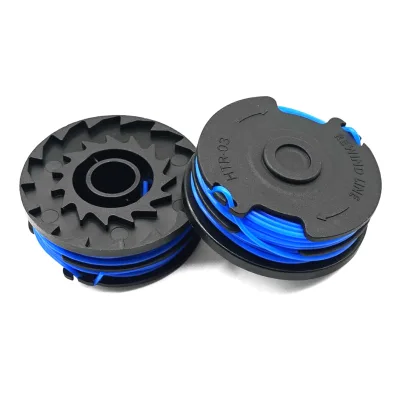
Source Anti Slip Nylon String Trimmer Head for Lawn, Shrub, Grass
Find and compare 30 anti slip nylon string trimmer head options from Zhejiang suppliers. Evaluate aluminum and plastic models with 25-2 shaft compatibility for agriculture and garden maintenance tasks.
Key considerations
Products List



Comprehensive Sourcing Guide
Anti Slip Nylon String Trimmer Head Sourcing Guide
Sourcing replacement heads for brush cutters and grass trimmers requires a precise understanding of mechanical compatibility and material durability. The market offers a variety of options, ranging from simple nylon string heads to more complex metal blade attachments, but the "anti-slip" designation often points to specific design features in the drive mechanism or the head housing that prevent rotational slippage under high torque. Buyers must distinguish between generic replacement parts and those engineered for specific engine displacements and shaft configurations. The observed product landscape includes items explicitly labeled as replacement parts for brush cutters, with some units designed to fit a broad percentage of standard trimmer models, while others are tailored for specific model numbers like the 25-2 or A011. This variability necessitates a rigorous verification process before placing bulk orders, as mismatched components can lead to operational failures in the field.
The procurement strategy should also account for the diverse power sources and usage environments associated with these tools. While some listings highlight gasoline or petrol-powered engines with specific displacements such as 43CC, the trimmer heads themselves are passive components that must withstand the mechanical stress transmitted through the drive shaft. The observed data indicates a focus on agricultural and garden applications, where tools are subjected to dust, moisture, and continuous vibration. Consequently, the material composition of the head, whether it is plastic, aluminum, or a composite, plays a critical role in its lifespan. Buyers should prioritize suppliers who provide clear specifications regarding the drive shaft size, such as the 9-tooth configuration observed in some listings, to ensure seamless integration with the existing power unit.
Product Scope and Observed Listing Signals
The current market signals indicate a strong presence of replacement components originating from Zhejiang, China, a major hub for small engine accessories and power tool parts. Listings frequently feature items with model numbers such as 606355187, 606355165, and A009, suggesting a standardized production ecosystem where specific part numbers correspond to distinct mechanical interfaces. The observed product range includes both nylon string heads and chain trimmer heads, with some units explicitly described as having an aluminum chassis or being constructed from aluminum for enhanced durability. This diversity allows buyers to select components based on the specific terrain and vegetation type, such as choosing a truncated type cutter for shrubs and tea trees versus a nylon head for general lawn maintenance.
Packing and presentation details in the listings provide additional clues about the supplier’s operational maturity. Many products are shipped in single poly bags or safety cartons, with gross weights ranging from light components at 0.2kg to heavier assemblies at 12kg, indicating that the supply chain handles both individual replacement parts and complete tool units. The presence of customization options suggests that some manufacturers are willing to adapt packaging or minor design elements for larger buyers, which can be a valuable lever for private labeling or specific logistical requirements. However, the wide variation in model numbers and fitment claims, such as "fits 99% brush cutter," requires careful cross-referencing with actual physical samples to avoid compatibility issues in the final assembly.
Technical Specifications to Verify
Verifying the mechanical interface is the most critical step in sourcing trimmer heads, as an incorrect fit can render the tool inoperable or dangerous. Buyers must confirm the drive shaft size and tooth count, as observed specifications include a 9-tooth drive shaft with a length of 1530mm. This dimension must match the output shaft of the brush cutter engine precisely; even a minor deviation can cause the head to slip or detach during operation. Additionally, the type of head attachment mechanism, whether it is a screw-on, clip-on, or quick-release system, should be documented and tested. The observed data mentions "anti-slip" features, which may refer to the internal gear mechanism or the friction fit between the head and the shaft, so physical inspection is necessary to validate these claims.
Material composition and structural integrity are equally important for long-term performance. Some listings specify aluminum construction for the trimmer head, which offers superior heat dissipation and resistance to impact compared to standard plastic alternatives. For buyers operating in harsh agricultural environments, such as tea tree pruning or shrub clearing, the choice between a nylon string head and a straight metal blade is pivotal. The observed specifications include metal blade options with varying tooth counts (2T, 3T, 4T, 8T), each suited for different cutting densities. Buyers should request detailed material certificates or technical drawings to verify the thickness and alloy grade of aluminum components, ensuring they can withstand the centrifugal forces generated at maximum speeds of up to 8500r/Min.
Compliance and Safety Documentation
Safety compliance is non-negotiable for power tool accessories, as failures in trimmer heads can lead to projectile hazards or mechanical injury. While the observed data includes CE certification for some products, buyers must verify that this certification applies specifically to the trimmer head assembly and not just the engine or the complete tool unit. The CE mark indicates conformity with health, safety, and environmental protection standards for products sold within the European Economic Area, but it does not guarantee that the component meets all local regulations in other markets. Buyers should request the full technical file and test reports from the supplier to ensure that the head has undergone rigorous stress testing, including balance checks and impact resistance evaluations.
Noise and vibration levels are also key safety considerations that often accompany compliance documentation. The observed specifications mention noise levels below 96.0dB(a) for certain brush cutter units, which is a significant factor for operator health during prolonged use. While the trimmer head itself does not generate noise, its balance and aerodynamic design can influence the overall vibration and sound profile of the tool. Buyers should ensure that the supplier provides documentation on vibration damping features, especially for aluminum heads which may transmit more vibration than plastic ones if not properly balanced. Additionally, the starting system and fuel capacity of the associated engine, such as the 1200ml fuel tank and recoil start system observed, should be considered when assessing the overall safety profile of the complete power unit.
Cost Drivers and Commercial Terms
The cost of trimmer heads is influenced by several factors, including material choice, manufacturing complexity, and order volume. Aluminum heads typically command a higher price than plastic or nylon counterparts due to the cost of raw materials and the machining processes required. The observed price range of 0.1 to 40 USD suggests a wide spectrum of quality and specification levels, with lower prices likely corresponding to basic nylon heads and higher prices to heavy-duty aluminum or metal blade assemblies. Buyers should analyze the cost per unit in the context of the expected lifespan and replacement frequency, as a more expensive, durable head may offer a lower total cost of ownership in high-intensity agricultural applications.
Minimum Order Quantities (MOQ) and payment terms are critical commercial considerations that vary significantly among suppliers. The observed MOQ range of 10 to 2000 units indicates that some suppliers cater to small businesses or individual buyers, while others are geared towards large-scale distributors. Buyers should negotiate MOQs based on their inventory turnover rates and storage capabilities, keeping in mind that customization options may require higher MOQs to be economically viable. It is also important to clarify the packaging details, such as the use of safety cartons or poly bags, as these can affect shipping costs and the risk of damage during transit. Clear agreements on lead times and defect liability clauses are essential to mitigate supply chain risks.
Supplier Qualification and Quality Control
Evaluating supplier qualifications requires a focus on manufacturing capabilities and quality management systems. Buyers should verify that the supplier has a proven track record in producing replacement parts for power tools, with specific experience in the Zhejiang region’s manufacturing ecosystem. Requesting samples of different model numbers, such as the 606355187 and A011, allows buyers to assess the consistency of fitment and the quality of finish. It is advisable to conduct a factory audit or request third-party audit reports to ensure that the supplier adheres to standard operating procedures for machining, assembly, and packaging. Suppliers who offer customization services should demonstrate their ability to maintain quality standards while adapting to specific buyer requirements.
Quality control processes should be clearly defined and agreed upon before production begins. Buyers should establish clear acceptance criteria for dimensional accuracy, material hardness, and surface finish. For aluminum heads, checks for casting defects or machining errors are essential, while for nylon heads, inspections should focus on the integrity of the string guide and the drive mechanism. Implementing a pre-shipment inspection protocol can help catch defects early, reducing the risk of receiving non-conforming goods. Buyers should also inquire about the supplier’s warranty policy and after-sales support, as these factors can provide additional protection against quality issues that may arise after the initial purchase.
Long-Term Procurement Checks
Establishing a long-term procurement strategy involves regular performance monitoring and supplier relationship management. Buyers should track the field performance of the trimmer heads, collecting feedback from end-users regarding durability, ease of installation, and overall reliability. This data can be used to negotiate better terms with suppliers or to identify areas for product improvement. Regularly reviewing the supplier’s ability to meet delivery schedules and maintain consistent quality is crucial for maintaining a stable supply chain. Buyers should also stay informed about changes in industry standards and regulations, ensuring that their procurement practices remain compliant with evolving safety and environmental requirements.
Continuous improvement in the sourcing process can be achieved by diversifying the supplier base and exploring new technologies. While the current market offers a variety of options, including aluminum and metal blade heads, buyers should remain open to innovative designs that offer better performance or cost efficiency. Engaging in collaborative discussions with suppliers about potential product enhancements can lead to mutually beneficial outcomes, such as the development of custom heads for specific market needs. By maintaining a proactive approach to supplier management and quality assurance, buyers can secure a reliable supply of high-quality trimmer heads that meet the demands of their customers.
FAQs
What certification does the anti slip nylon string trimmer head have?
The product carries CE certification as a verified attribute. This ensures compliance with relevant safety standards for machinery used in agriculture and garden applications.
Can the trimmer head be customized for specific needs?
Yes, customization is available for this product line. Buyers can request specific modifications to fit unique operational requirements while maintaining the core aluminum chassis design.
Which model numbers are available for the aluminum trimmer head?
Available model numbers include 606355187, 606355165, and 606355019. These specific identifiers correspond to different configurations of the replacement brush cutter parts and trimmer heads.
How is the product packed for shipping?
The item is packed as 1PC per poly bag and also utilizes safety cartons or standard cartons. This dual packaging approach ensures protection during transit from Zhejiang, China.
What is the origin location of the aluminum trimmer head?
The product originates from Zhejiang, China. This location is the confirmed production base for the aluminum chassis and nylon string components used in these brush cutter parts.
Which materials are used in the construction of the trimmer head?
The trimmer head is constructed primarily from aluminum. This material choice provides durability and supports the anti-slip features required for effective shrub and lawn mowing.